
Earthquake

Seconds of shaking, then days of disruption — the scenario where preparation is decided long before it starts.

Plan for 72 hours minimum, 14 days if you live near a major fault

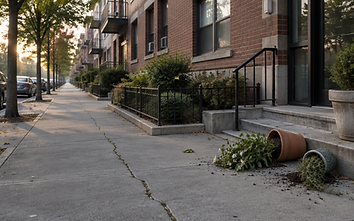
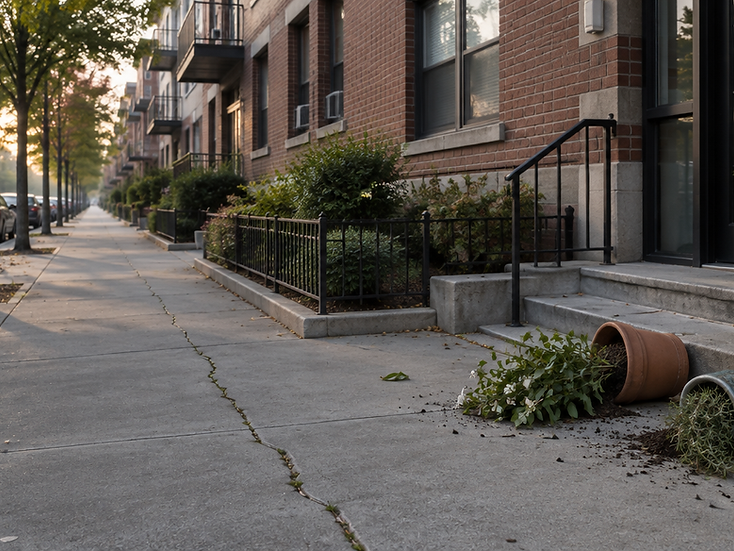
Earthquake — atmospheric scene

What to expect

Shaking lasts seconds to a couple of minutes, but the aftermath runs for days. Expect power, gas and water interruptions, damaged roads and bridges, phone networks that overload within minutes, and aftershocks that continue for weeks.

Most injuries in an earthquake happen from falling objects and broken glass, not collapsing buildings. The practical problems come afterwards: no water pressure, no refrigeration, no way to boil water, and shops that cannot open.

In cold climates, the risk compounds — a damaged house without heat in winter becomes a shelter problem within hours, not days.

Primary risks

  • Falling furniture, televisions and unsecured bookcases
  • Broken glass in bedrooms and hallways
  • Gas leaks and the fire risk that follows
  • Loss of water pressure across a whole city
  • Overloaded phone networks in the first hour
  • Aftershocks bringing down already-weakened structures

What to prepare beforehand

  1. 01Anchor tall furniture and the water heater to walls, and move heavy items to lower shelves
  2. 02Keep closed shoes, a torch and a helmet beside each bed — most glass injuries happen barefoot at night
  3. 03Learn how to shut off gas and water, and keep the tools where the valves are
  4. 04Store 14 days of water if you are in a seismic zone, not 72 hours
  5. 05Agree an out-of-area contact and a meeting point in writing

Household checklist

Earthquake checklist

0 of 7 complete

0%

Household checklist

Related products

Supplies that change the outcome

Generators must only run outdoors, well away from doors, windows and vents. Never run one in a home, garage or attached shed. Connection to home wiring requires a licensed electrician and a proper transfer switch.

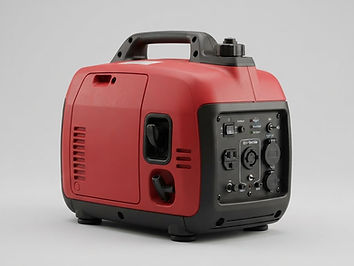
Aceup Energy 4000W Portable Gas Inverter GeneratorOptional / Upgrade

Best for Households needing to run several essentials at once

Aceup Energy 4000W Portable Gas Inverter Generator

A higher-output 4000W inverter generator for running more of the home at once — fridge, freezer, lights and a well pump in sequence. Quiet enough for residential use.

Type
Gas inverter generator
Peak watts
4000W
Engine
149cc 4-stroke
  • Enough power for multiple appliances
  • Quiet for residential use
  • Gasoline only
Portable Power Stations
Optional / Upgrade

Best for Long outages where daily solar recharging matters

Anker SOLIX C1000 Gen 2 with 400 W Solar Panel

Anker SOLIX · C1000 Gen 2 + 400 W panel

A 1,024 Wh LiFePO4 power station bundled with a 400 W folding solar panel, so stored power can be topped up daily in a longer outage.

Capacity
1,024 Wh
Battery
LiFePO4, 4,000 cycles to 80%
AC output
2,000 W continuous / 3,000 W peak
  • Solar panel included, ready for multi-day outages
  • Lightest 1 kWh-class unit in our picks
  • Solar output drops sharply in short, overcast winter days
Portable Power Stations
Recommended

Best for Keeping a fridge running through a day-long outage

EcoFlow DELTA 3 Plus Portable Power Station

EcoFlow · DELTA 3 Plus

About 1 kWh of LiFePO4 storage with the output to handle a fridge compressor at start-up, and room to expand with extra batteries.

Capacity
1,024 Wh
Battery
LiFePO4, 4,000 cycles to 80%
AC output
1,800 W continuous / 3,600 W surge
  • Surge headroom for a fridge compressor
  • Expandable as your plan grows
  • Heaviest of our three picks at 12.5 kg
Emergency Water Storage Container (29 Gallon / 110L)Recommended

Best for A household building a serious emergency water reserve

Emergency Water Storage Container (29 Gallon / 110L)

A 29-gallon (110L) emergency water storage container built for preparedness — enough stored water to cover a household for several days. The large-capacity pick for serious home storage.

Capacity
29 gallon / 110L
Type
Emergency water storage container
Use
Home emergency storage
  • Holds enough for a household for days
  • Built for long-term storage, not just camping
  • Heaviest and most expensive storage option
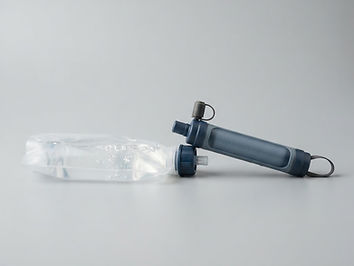
High Capacity Emergency Survival Water Straws (5-Pack)Recommended

Best for Equipping a whole household with personal filters

High Capacity Emergency Survival Water Straws (5-Pack)

A 5-pack of reusable, high-capacity survival water filter straws with a long lifespan and no expiration date. The family pack — one filter per person for a household or group.

Pack
5 straws
Type
Personal filter straws
Use
Family / group emergency
  • Covers a whole family in one purchase
  • No expiration date — store indefinitely
  • Higher upfront cost than a single straw
Portable Power Stations
Essential

Best for Essentials: router, lights, phones and a laptop

Jackery Explorer 500 v2 Portable Power Station

Jackery · Explorer 500 v2

A 512 Wh LiFePO4 power station light enough for one person to carry between rooms. Covers the router, lights, phones and a laptop through a typical outage.

Capacity
512 Wh
Battery
LiFePO4, 6,000 cycles (manufacturer figure)
AC output
500 W continuous / 1,000 W surge
  • Light enough for one person to carry room to room
  • Long-life LiFePO4 chemistry
  • 500 W output will not run a full-size fridge or high-draw appliances

Related guides

Read next

Earthquake Preparedness: Before, During and After

Scenario guide · Home Preparedness

Earthquake Preparedness: Before, During and After

Most earthquake injuries are caused by furniture and glass, not collapsing buildings. The work that matters is done months before, in a few hours at home.

2 min read · Published 8 Oct 2026

Best Portable Power Stations for Power Outages

Comparison · Power

Best Portable Power Stations for Power Outages

For most households a battery beats a generator: quieter, safe indoors and no fuel to store. Here is how to size one, and three products that cover different households.

3 min read · Updated 27 Oct 2026

How Much Emergency Water Do You Really Need?

Guide · Water

How Much Emergency Water Do You Really Need?

Four litres per person per day is the number every emergency agency publishes. Here is what it actually covers, how it scales for a family, and why storage matters more than the maths.

2 min read · Published 12 Sept 2026

Free download

Build your earthquake plan

Save your address for scenario updates, then turn this page into a plan sized to your household and budget.

We store your email only to send preparedness material you asked for. Unsubscribe any time.